The Cowboy: An Inherently Queer Character
Queer cowboys are everywhere right now. Not only in cinema – most visibly in Brokeback Mountain (2005) and The Power of the Dog (2023) – but across television, theatre and popular music, where the figure of the cowboy has become a site for exploring gender variance and queer desire. Transgender representation in miniseries like HBO’s Deadwood (2004-2006), Westworld (2016-2022) and Scott Frank’s Godless (2017) passes unremarked, while kinky cowboy kitsch has been mainstreamed by artists like Chappell Roan and Megan Thee Stallion. The cowboy – once the embodiment of White, heterosexual, frontier masculinity – has been thoroughly queered (1).
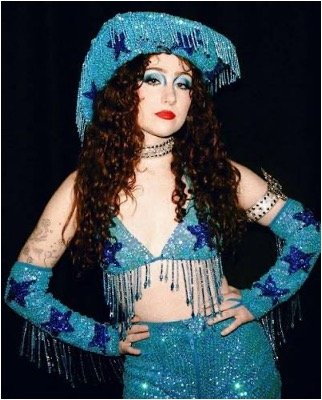
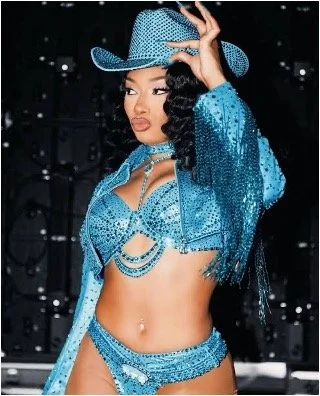
Fig. 1 Move over John Wayne – enter the bikini cowboy.
This cultural shift has been especially visible on the London stage. Since 2023 there have been revivals of Brokeback Mountain (Soho Place, 2023) and a musical version of Midnight Cowboy (Southwark Playhouse, 2025) alongside intimate coming-of-age narratives such as Billie Esplen’s Cowboys and Lesbians (Park theatre, 2024) and Hugo Timbrell’s My Life as a Cowboy (Clapham Omnibus Theatre, 2024) - in which the cowboy functions as a flexible metaphor for queer self-fashioning. Even the Royal Shakespeare Company joined the trend through its co-production of Charlie Josephine’s Cowbois (“boi” invoking urban queer slang) - which ran at the Royal Court in 2023.
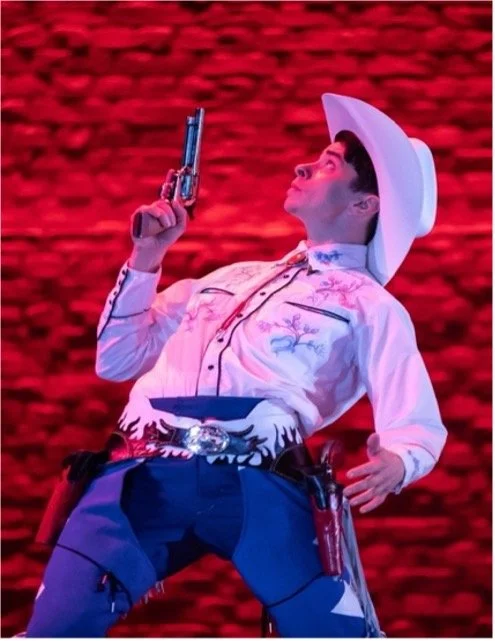
Fig. 2 The transgender cowboy bends the cowboy body into unusual shapes in Cowbois.
In the United States, this “yee-naissance” has unfolded most vividly in pop music. Beyonce’s Cowboy Carter (2024) embraces camp spectacle – her Renaissance Tour (2023) visuals feature leather chaps, a Stetson and pole dancing carousel horses in a literal ring of fire. Solange, Cardi B and Lil Naz X have likewise contributed to this reworking of the genre while simultaneously reclaiming the Black origins of country music and challenging the overwhelmingly White establishment. The latter’s self-conscious construction of a “queer cowboy” persona – most memorably his pink cowboy outfit with harness at the Grammys – deliberately inserts Black queerness into a cultural space historically defined by straight Whiteness.
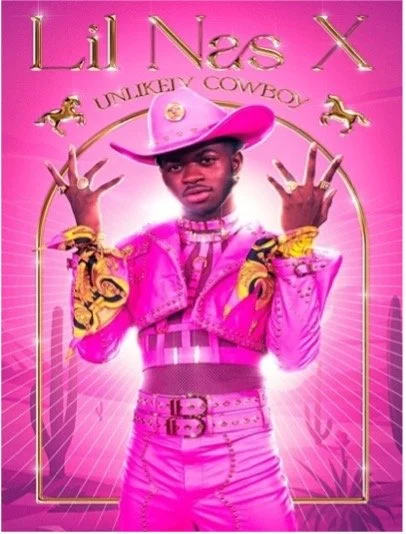
Fig. 3 “Behold the Unlikely Cowboy.”
Lil Naz X’s playfulness with gender, genre and spectacle finds a parallel in the work of queer country singer, Orville Peck, whose aesthetic fuses Johnny Cash’s outlaw swagger with the late Dolly Parton’s rhinestone sparkle. Peck’s most distinctive creation is the masked cowboy, a figure that evokes both mystery and transgression. In Gender Outlaw (1994), Kate Bornstein recalls her fascination with The Lone Ranger: “This masked guy rides into town on a white horse, does all these great and heroic deeds, everyone falls in love with him and then he leaves. He never takes off his mask, no one ever sees his face.” (2). Orville Peck answers the perennial question - Who was that masked man? – with a paradox: the mask is not a concealment but a revelation. His ostentatiously camp Western attire draws attention to the performative masks worn by all cowboys, asking what they were hiding.
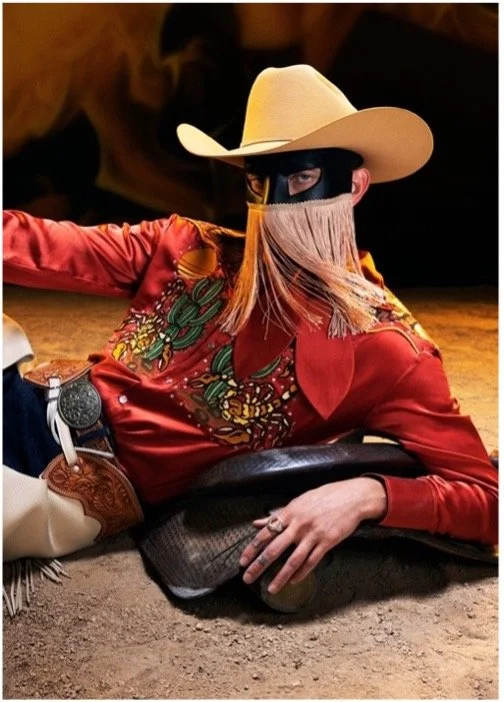
Fig. 4 “Who was that masked cowboy?”
This book examines the figure of the queer cowboy, a project that immediately raises questions about the slipperiness of the term queer. Etymologically, queer derives from the Germanic adjective quer, meaning diagonal or oblique, and from the Latin torquere, to twist but also to torment. From its earliest usage, then, queer signifies deviation from the straight and the torment that comes from divergence. These connotations remain central to its critical value. Over the course of the twentieth century queer moved from a term of abuse to a reclaimed and analytical category, particularly during the AIDS crisis, when it came to signal resistance to normative institutions rather than assimilation into them. Today, queer functions flexibly – as an adjective, noun and verb – and encompasses a range of non-normative sexual and gender identities that challenge heteronormativity and the assumption that sex, gender and desire naturally align. While some theorists extend queer beyond sexuality to describe broader forms of social marginality - married couples without children, (3) or people who live without financial safety nets (4) - this study uses the term more precisely, focussing on how non-normative genders and sexualities cluster around the figure of the cowboy and unsettle the myths that sustain him.
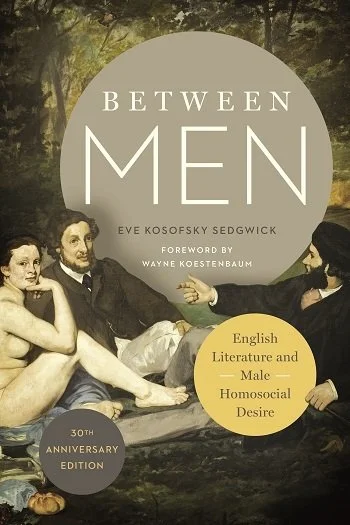
Queer also names a way of reading, seeing and watching. For Queer theorist Jasbir Puar, to read queerly is to ask how normality is produced and maintained – what is shown, what is disavowed, and what remains unspeakable (5). Eve Kosofsky Sedgwick’s work is foundational here: she argues that queer reading means being alive to queer subtexts or even queer moments within ostensibly straight texts (6). Thus, queerness does not reside in the text but is produced through an engagement that may change over time. It’s an approach taken by Alexander Doty in his Flaming Classics: Queering the Film Canon (2000) to re-read classics such as The Wizard of Oz in queer ways, (7). and by Vito Russo’s The Celluloid Closet: Homosexuality in the Movies (1981) in which his deconstruction of Hollywood classics leads to the identification of what he terms is a “gay sensibility.” Today, we would simply term it camp – that is a sensibility that revels in its own artifice, stylization, irony, playfulness, and exaggeration: we can see it in The Maltese Falcon to Ben Hur to King Kong– where we see masculinity and femininity pushed to extremes (8). And pushing masculinity to its extreme takes us to the cowboy.
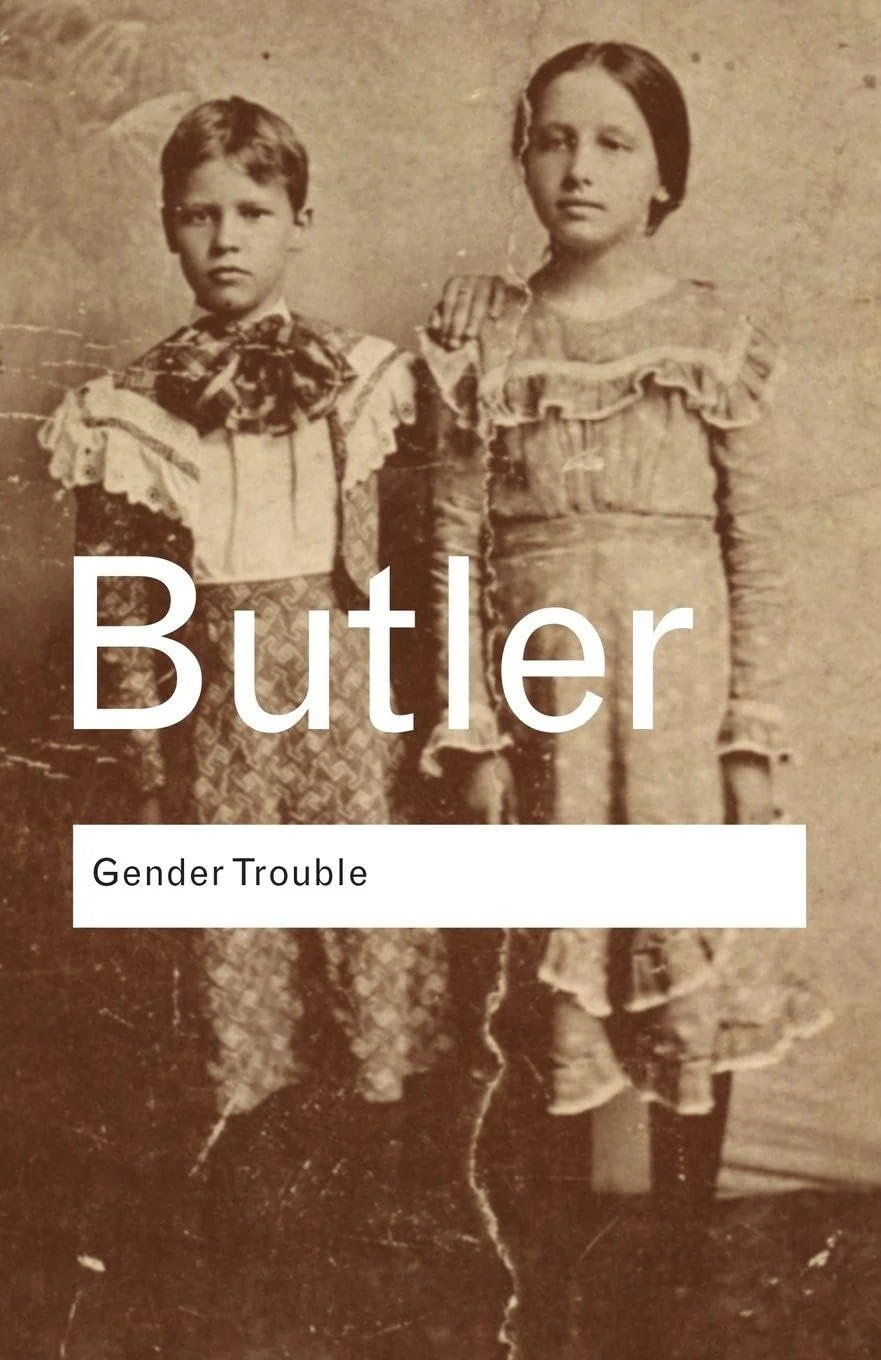
Another foundational critic whose work on gender performativity further illuminates the cowboy’s cultural role is Judith Butler (9). In Gender Trouble (1990) she argues that gender is not an essence but an effect of “repeated acts within a highly rigid regulatory frame that congeal over time to produce the appearance of substance, of a natural sort of being.” The term “congeal” draws our attention to the lack of initial solidity implied by this definition; the acts only offer the “appearance” of coherence in a body in accordance with a world in which gender is stabilized and rendered solid. Essentially, gender is doing, not being and just as performing gender is an act of identity formation through reinforcement, performing gender incorrectly must be punished by a social control (10). Butler is drawn to drag – a clear example of gender dissonance - precisely because it exposes the mechanisms of gender production and parodies “the notion of a true gender identity” (11). It is closely allied to camp and reading Butler with Sedgwick, we see how camp reveals the performative aspects of gender – and how over-anxious gender performances may teeter on the verge of drag.
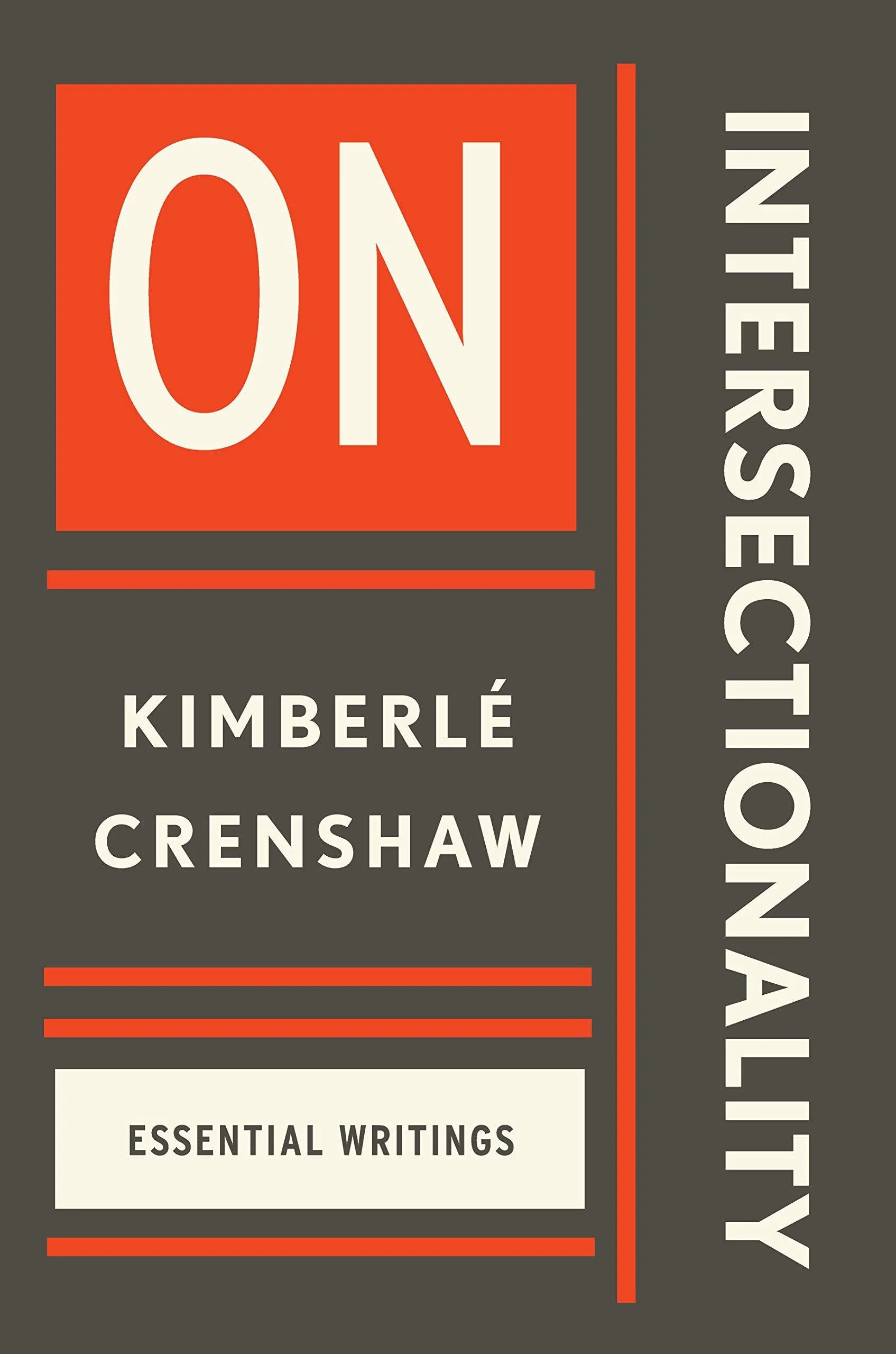
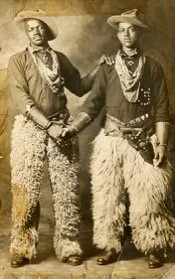
Although formative in contemporary approaches, early queer theory has been criticised for its focus on White, cis-gender, middle-class subjects and its limited engagement with race and colonial history. Kimberlé Crenshaw’s concept of intersectionality provides a crucial corrective, demonstrating how race, gender, sexuality, and class operate as interlocking systems of power and oppression. Thus, while anti-essentialist theorists like Butler and Sedgwick dismantle fixed identity categories, Crenshaw reminds that these categories can be strategically useful for marginalized groups (12). Building on this framework, queer of color and Indigenous scholars have shown how sexuality is always racialized and weighted at various times, impacting the forms of oppression experienced. This perspective is essential to understanding the Western’s longstanding erasure of Black and Indigenous cowboys (who made up a quarter of cowboys (13)), the hierarchy of suffering that marginalizes the cross-dressing lesbian of color, and the construction of Whiteness as un-remarked and invisible norm. This approach also demonstrates the process by which during the mid-century conquest of the frontier, Indigenous bodies and communities were forced into binary systems of classification—male/female, homo/hetero, trans/cis—leaving those who existed on the outside vulnerable to systemic dispossession and extermination.
Fig. 5 The historical cowpoke – in whom Blackness and queerness were tolerated.
As the preceding examples suggest, the Western provides a particularly productive site of intersectional queer analysis, with the cowboy functioning as its hyper-masculine yet inherently unstable poster boy. For the genre’s foundational premise – the act of crossing borders into an anonymous and lawless wilderness free of women and the constraints of settled society – creates conditions in which alternative forms of masculinity and intimacy can emerge. Historical evidence suggests that same-sex relationships among cowboys were neither anomalous nor necessarily stigmatized in the nineteenth-century West. Patricia Nell Warren similarly argues that “gay cowboy love was silently accepted by many livestock owners as an unavoidable result of circumstances” in which men lived in a form of surrogate marriage during long cattle rides (14). Other historians have offered a more radical vision – that the lawlessness of the West functioned as a magnet for gay men oppressed by the scrutiny of conventional society (15). In this context, Horace Greeley’s exhortation to “Go West young man” acquires an ironic resonance, later reclaimed by The Village People as camp anthem.
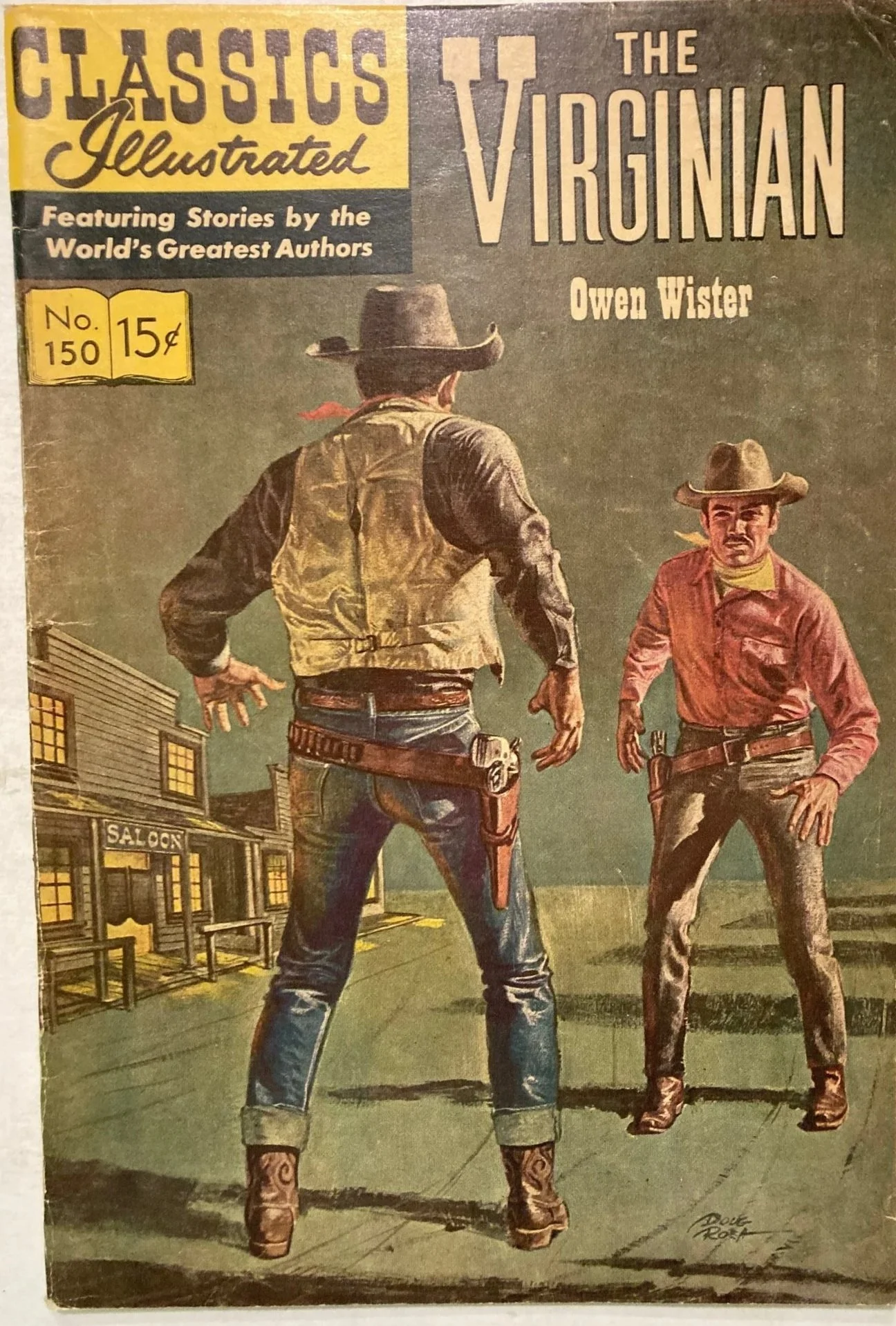
Fig. 7 Wister went West for a nerve cure, fell in love with a cowboy called George West and recreated him in his version of the West.
This relative tolerance, however, proved fragile. As the frontier became increasingly settled and regulated, the conditions that allowed queer relationships to exist diminished. The presence of Victorian prurience and religious condemnation also coincided with a broader epistemic shift at the end of the nineteenth century. The 1890s marked the formal closure of the American frontier, articulated by Frederick Jackson Turner in his influential 1893 thesis, at precisely the moment when emerging disciplines such as psychiatry and sexology began to classify and pathologize sexual behaviour. The figure of the “homosexual” was consolidated as a distinct identity, increasingly associated with degeneracy and moral decay. Within this framework, the racially mixed and sexually ambiguous cowpuncher no longer fit the narrative of American renewal that the West was designed to represent. The queer cowboy was not erased so much as closeted, written out of history to be replaced by a reimagined White, hetero version designed to stabilise the frontier as a site of moral regeneration rather than sexual degeneration.
This new cowboy was produced by the “Frontier Club” - Ivy League educated Easterners who were responsible for inventing the West as we know it: men like dime novelist Zane Grey, author Owen Wister, artist Frederic Remington, impresario Bill Cody, and future president Theodore Roosevelt. These are the men who collectively authored, illustrated, and staged a mythic West as a receptacle for all those masculine qualities – handiness, loyalty, independence – they feared they – and the nation – were losing, which were projected onto the figure of the cowboy. Their cowboy offered little resemblance to the itinerant, racially diverse and economically precarious cowpokes of the historical West. He is preternaturally young, clean-shaven and immaculately turned-out despite all those days in the saddle. He is self-reliant (his best friend is his horse), has an intuitive sense of justice, anti-authoritarian, and sticks up for the small man. His violence is carefully choreographed and morally sanctioned and directed at figures coded threats to American values. He is also White - the Frontier Club endorsed Jim Crow – Blackness is projected onto others - the black-hatted gunslinger or the Mexican bandit or the “Indian Savage.” And yet, the cowboy’s task is paradoxical: his job is to clear out the black hats and black hearts who make the frontier interesting for a civilization with which he enjoys, at best, an ambivalent relationship. This is his tragedy, which is why having saved the town he must ride into the sunset in search of new adventures to affirm his manliness.
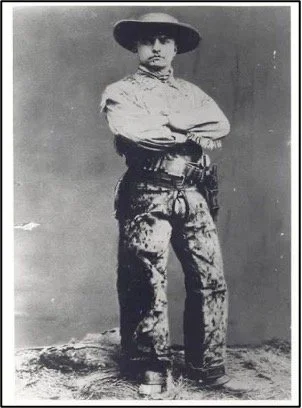
He is also queer: or, at least, his condition of marginality and mobility renders him open to queer interpretation. Roosevelt ventured West to rid himself of the sobriquet “the American Oscar Wilde” and his anxious self-dramatization - the leathers, the theatrical photo-ops, the hilariously camp sobriquet – Roughrider – scream queer panic. The same is true of the cowboy they produce, w ho squints and swaggers and performs masculinity with such a heightened self-consciousness that it invites scrutiny. In no other genre is there such an emphasis upon the man as the object of attention; it inverts Laura Mulvey’s conception of the male gaze (in which the female is the passive object of male scrutiny) to focus on men looking at men in the process of constructing themselves as men. And it’s so over-done – the leather chaps, high-heeled boots, and spurs – lend themselves to eroticization that bespeaks queerness, and it is not surprising that that this outfit is one of the favourite costume repertoires of gay male pornography. This erotic charge is not simply aesthetic but structural. Placed on a largely womanless frontier, those women that do exist are sex workers (whose trade fits the cowboy’s itinerant lifestyle) or damsels in distress (the invisible object of the cowboy’s quest) whose function is to validate the cowboy’s heterosexuality without displacing the primacy of male bonds. Men are encouraged to desire the company of other men without desiring men; desire that cannot be acknowledged is sublimated into fetishized objects – guns and horses – or projected onto the racialized bodies of Native Americans and Mexicans, which represent aberrant sexualities unlike that represented by the virile Anglo cowboy.
Fig. 8 Roosevelt cosplaying as the hilariously camp “Roughrider”
In essence, the cowboy is not merely compatible with queerness but shaped by it. Far from representing a stable ideal of heterosexual masculinity, he embodies a series of contradictions: loyalty and anti-authoritarianism, taciturnity and exhibitionism, independence and anxiety, swaggering heterosexuality and sexual ambivalence. And it is precisely these contradictions that render him such a productive figure for queer analysis. For what recent revivals make visible – from Brokeback Mountain to Orville Peck’s masked singer – is that the journey from cowboy as symbol of ultra-masculinity to leather-clad member of Gay Pride is shorter than it might appear. Queerness has never been external to the cowboy myth; it is structurally embedded within it, produced by the genre’s intense investment in male relationships, bodily exhibition, and the anxious display of masculine violence. This book develops this claim through queer readings of Western literature and cinema, ranging from texts explicitly concerned with gender and sexuality to those in which queerness operates obliquely. By placing canonical Westerns in dialogue with contemporary reworkings, I’m less concerned with lines of influence than with mapping the persistence with which the genre stages masculinity as spectacle while repressing the queerness generated by such display.
1. See the introduction to Hell-Bent for Leather: Sex and Sexuality in the Weird Western, edited by Michael K. Johnson, Rebecca M. Lush, Sara L. Spurgeon, for an excellent discussion of kinky Western performance (University of Nebraska Press 2025); see also Julia Jacobs’ review, “Beyoncé Is Riding Into Her Country Era. Here’s What to Know.” The New York Times, March 18, 2024.
2. Bornstein, Gender Outlaw: On men, Women and the Rest of Us (Routledge, 1994), 58.
3. David Halperin, St Foucault: Towards a Gay Hagiography (Oxford University Press, 1995), 62
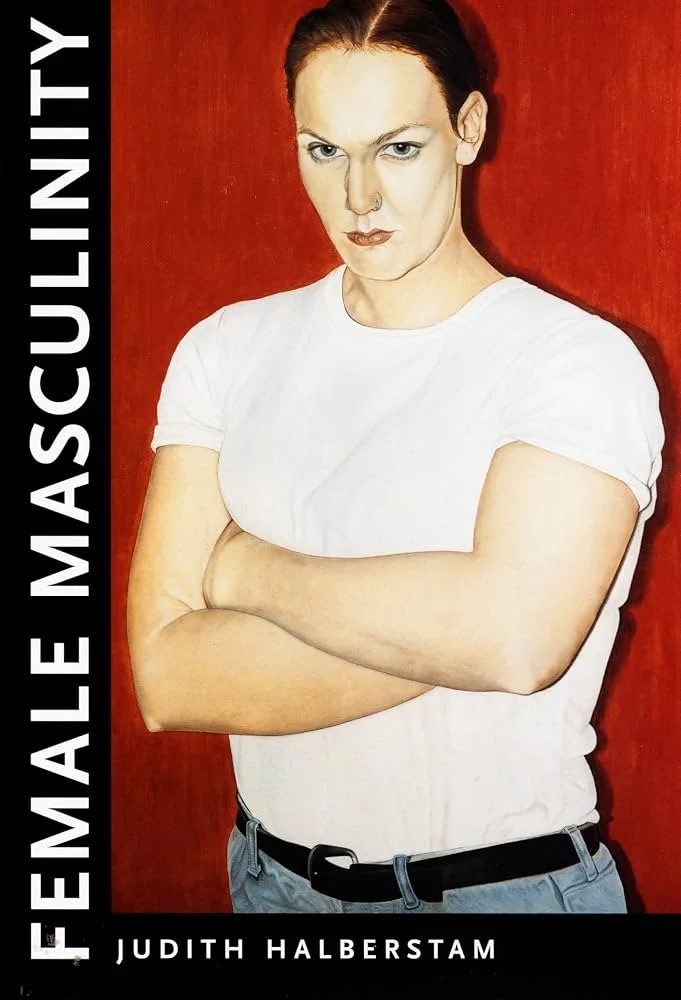
4. Jack Halberstam, In a Queer Time and Place: Transgender Bodies, Subcultural Lives (New York University Press, 2005), 10
5. Puar, Terrorist Assemblages: Homonationalism in Queer Times (Duke University Press, 2007), xv.
6. Sedgwick, Tendencies (Duke University Press, 1993), 3
7. Doty, Making Things Perfectly Queer (University of Minnesota Press,1993), 8; Also see Nikki Sullivan, A Critical Introduction to Queer Theory (Edinburgh University Press, 2003), 192;
8. See also Susan Sontag, “Notes on Camp,” in Against Interpretation: and Other Essays (1961) (Penguin Classics, 2009), 277, 282.
9. Performative is best understood through performative statements such as – “I now pronounce you man and wife.” Statements that have power in the world above simple description.
10. Butler, Gender Trouble: Feminism and the Subversion of Identity, rev. ed. (Routledge, 1999), 44.
11. Ibid., Butler, Gender Trouble, 93, 174
12. Crenshaw, “Mapping the Margins: Intersectionality, Identity Politics, and Violence against Women of Color,” Stanford Law Review, 43, no.6 (1991): 1241-1242.
13. Katie Nodjimbadem, “The Lesser-Known History of African American Cowboys:
One in four cowboys was Black. So why aren’t they more present in popular culture?” Smithsonian Magazine, February 2017.
14. See Patricia Nell Warren, “Real Gay Cowboys and Brokeback Mountain,” in The Brokeback Book: From Story to Cultural Phenomenon, ed. William Handley (University of Nebraska Press, 2011), 276.
15. See William Benemann, Male-Male Intimacy in Early America: Beyond Romantic Friendships (Harrington Park Press, 2001), 268; Neil Miller, Out of the Past: Bay and Lesbian History from 1869 to Present (Advocate Books, 2006), 42.