The Sex Western: Howard Hughes’ “The Outlaw” (1943)
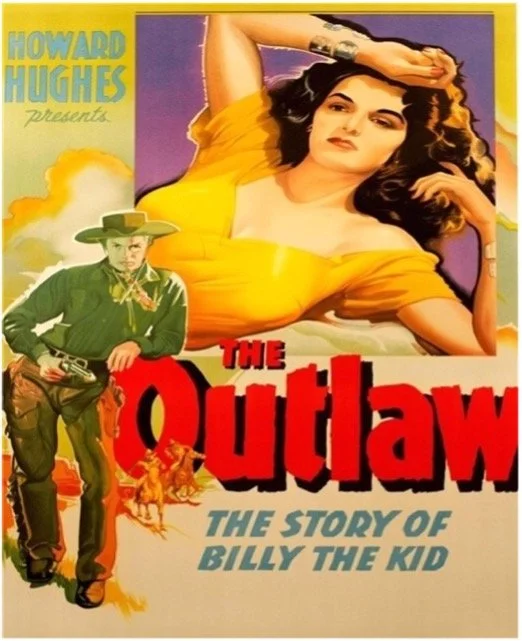
Fig. 1 1943 lithograph film poster shows both objects of desire.
Howard Hughes’s The Outlaw (1943) is a very queer film. It was marketed as a “sex Western,” largely because of the camera’s fixation on Jane Russell’s cleavage—Hughes even designed an “uplifting” bra for her—but Russell’s hyper-sexualized body does something more interesting than simply sell sex. It becomes a screen onto which the film displaces the sexuality it cannot acknowledge directly: the fraught triangle between Sheriff Pat Garrett, his former outlaw partner Doc Holliday, and the youthful Billy the Kid.
Just a bit of background plot - Pat Garret (Thomas Mitchell) welcomes his old gunfighting partner, Doc Holliday (Walter Huston), to the town where he has become a sheriff and cultivated a paunch. Holliday is looking for his stolen horse, Red, which is in the possession of a youthful Billy the Kid (Jack Beutal). Billy is the primary object of desire in the film, but because to acknowledge this would be to compromise the cowboy code, Billy’s attractiveness is mediated through his horse – “about thirteen hands high, and cute as a bugs ear” – which is an apt description of them both.
Horses in Westerns are “a man’s best friend.” Famous cowboys are inseparable from their mounts—the Lone Ranger and Silver, Roy Rogers and Trigger—which carries a dense psychoanalytic coding. Horsemanship is a proof of virility; breaking a horse becomes an exercise in discipline, a mastery the cowboy is implicitly expected to turn upon himself and, more troublingly, women. Horse-talk in Westerns, however, is radically equivocal: it advertises ultra-masculinity, but it also allows the lonesome cowboy to talk about attachment, loyalty and desire without naming their true object. This is how the horse works in The Outlaw:
Doc Holliday flirts with Billy the Kid through his horse
The camera lingers on Billy’s immaculate cowboy regalia: he possesses the youthful outlaw glamour that Garrett has lost and Holliday desires. His deliberately provocative slouch makes him the film’s feminized catalyst—the androgynous beauty around whom male emotion can circulate.
Holliday’s desire is displaced onto Red – which becomes a comic alibi for erotic attention: Desire is displaced onto property, allowing the film to flirt with homoeroticism while retaining plausible deniability. Both have become “used to this horse” - which Billy, in a strangely coded passage, rides backwards.
Holliday further deflects his desire by calling Billy “sonny” – which places him within the safe vocabulary of paternal affection – but has the reverse effect of troubling fatherly care with queerness. It slips out in exclamations – “I don’t want to take advantage of you” – which mix flirtation with pederastic desire masked by a wry smile.
“They tell me that’s the way you’ve given it to some of the boys”
The second clip makes the displacement of sexual energy almost impossible to ignore. Holliday and Garrett contrive to steal back Red from the barn, unaware that Billy is lying in wait. Hughes constructs a scene of almost parodic sexual energy. Garrett understands the horse as property to be legally restored; Holliday equates Red with Billy, transforming taking back his horse into a sublimated version of “taking” Billy.
The tableau – Billy sandwiched between the two men with his hands in the air, Holliday fondling his guns appreciatively before placing them in his low-slung leather holster, while Garrett holds a gun to his back – is charged with erotic energy. Billy’s plea – “Step aside, Doc, he may shoot me in the back” is met by Garrett’s hysterical - “They tell me that’s the way you’ve given it to some of the boys” – an accusation conflates two taboos: the Western code against shooting a man in the back and the reduction of male homosexuality to anal violation. Billy’s response is disarming – “Well, Mr. Garrett, if you believe that, here’s your chance to do the same to me.” The invitation to join “the boys” reflects Billy’s supposedly well-known homosexuality back on Garrett and transforms the scene into the classic “me or him triangle” of melodrama layered onto a Western. When Billy leaves with a flirtatious invitation – “Coming, Doc?” – and Holliday follows, the film dramatizes a symbolic rejection of Garrett’s hetero-authority in favour of homosexual dalliance.
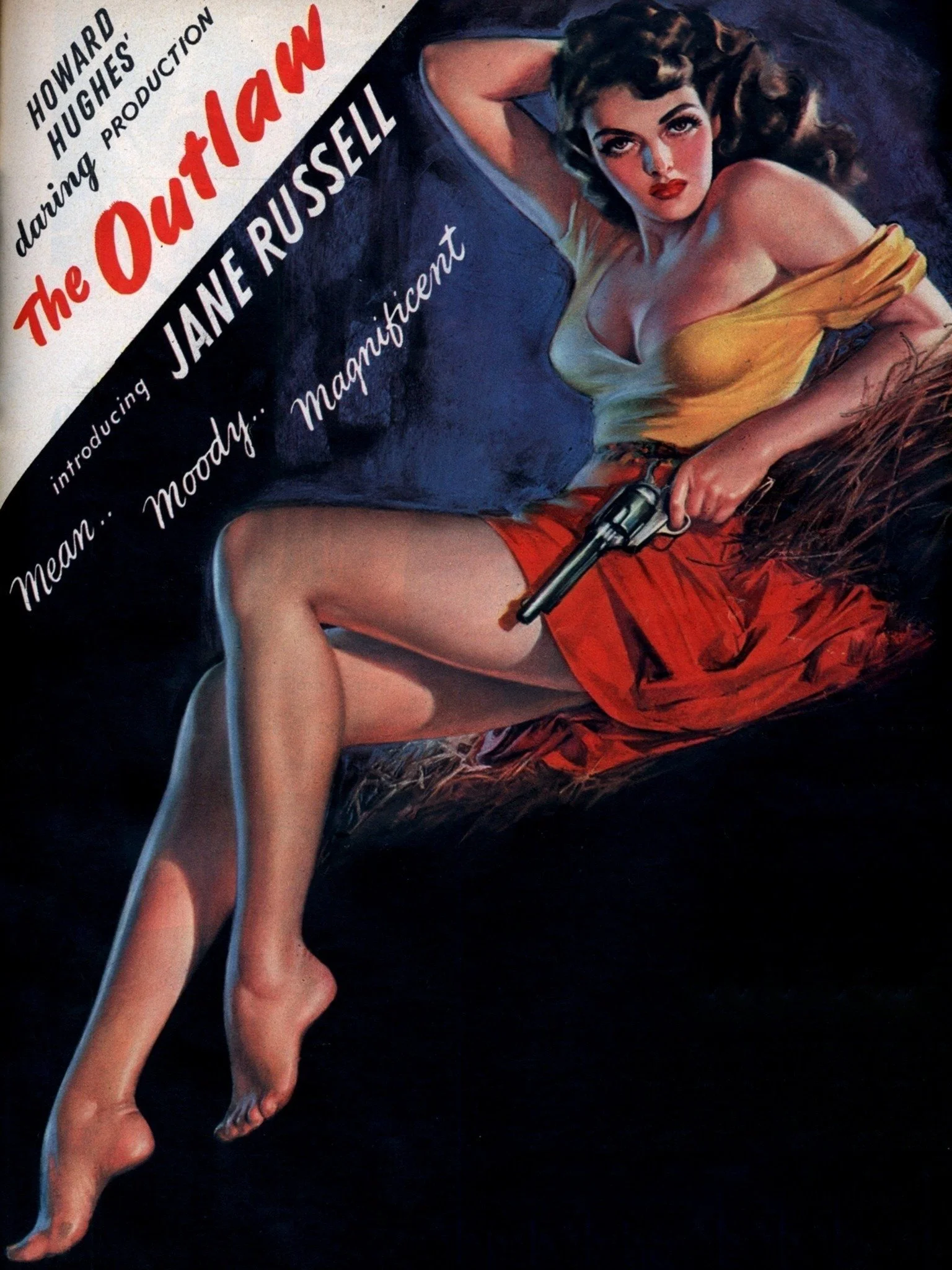
Fig. 2 “Who Wouldn’t Fight for a Woman like This?”
“Who Wouldn’t Fight for a Woman like This?” the poster campaign ran with pictures of the erotically posed Russell. The answer is - not the men in the film! They are too busy examining each other’s guns and squabbling over horses. Thus, the excessiveness of her sexualized presentation stands in counterpoint to the excessive homoerotic banter – leading to a queerly inflected viewing experience.
This experience is especially striking in a scene in which Billy punishes her for putting sand into their canteens by gagging her and stringing her out between two trees in the desert. Garrett discovers her while accompanying the arrested and handcuffed Holliday. Neither is particularly surprised by her condition, and certainly not touched by pity nor aroused. Instead, Garrett leaves Rio where she is and hides with Holliday in a nearby cave in the hope that Billy might return.
Rio is thus reduced to the perfect fetish-object: voluptuously available, immobilized and silent. She becomes a literal screen behind which the men – in the shape of Garrett standing guard over the handcuffed Holliday - can act out their own queer fetish rituals of restraint and surveillance.
Thus, when Billy returns, and Garrett challenges him - “We’re right behind you and put those hands where they belong” – the question of where Billy’s hands belong is moot. Has Billy returned because of guilt or desire? – a question that Holliday asks in a formulation that evokes the cowboy code - “Why don’t you come out and admit it like a man.” In the world of the Western, acting like a man means returning to save the damsel; however, in the inverted world of this Western, acting like a man means “coming out” and “admitting” that Rio is nothing more than a screen that stands between Billy and Holliday.
Rio, the silent and kinkily available object of the male gaze
The queer force of The Outlaw lies in displacement. Its women are spectacularly sexualized, but its men are the ones who cannot stop looking at and pursuing one another. The horse is the key to that displacement, exploding the homoerotic attachment beneath the Western’s innocent focus on “a man’s best friend.” Thus, it is the horse that is stolen, recovered, ridden hard and ridden in reverse because Billy himself cannot be.